

Understanding the Basics of Lace Wigs
What Defines a Lace Wig
The sheer mesh hidden beneath a wig’s hairline is the whole game. A lace wig earns its name when hair is ventilated, or hand tied, so each strand appears rooted in flesh rather than fabric. The best lace disappears entirely against the skin. It breathes, it moves, and it does not announce itself.
Consider the defining markers of a proper lace wig:
- The lace spans the full surface of the crown, not just a front strip.
- Each knot is small enough to avoid creating a visible bump.
- The base conforms to your head shape instead of holding its own shape.
This is where brazilian hair lace wigs earn their price tag. Brazilian hair carries a strong cuticle and a thick strand diameter, so the lace must bear that weight without sagging. When you compare brazilian hair lace wigs side by side, the finer mesh wins every time, I promise you. If the lace puckers, the hair is wasted, and you are left with an expensive hat.
Lace Front Wigs vs. Full Lace Wigs
Two types of lace wigs dominate the market, and they are not the same. Lace front wigs cover only the frontal hairline. Full lace wigs cover the entire scalp. For brazilian hair lace wigs, this distinction changes how you can style, tie up, and part the hair.
- Lace front wigs give you a realistic hairline, yet styling freedom stays limited to the front band.
- Full lace wigs let you part anywhere, pull the hair up, or braid it back because the mesh runs over the whole head.
Full lace bases spread tension evenly, which matters with Brazilian hair’s natural density. A lace front carries that same weight but concentrates stress along one edge. Both serve a purpose, yet they are not interchangeable.
Cap Construction and Breathability
The construction of a cap determines how a wig breathes, and with Brazilian hair lace wigs, that becomes a daily comfort factor under the South African sun. Many women assume all lace is the same, yet the difference between Swiss lace and French lace is tangible. Swiss lace is finer and nearly invisible, while French lace is sturdier but more visible. On the scalp, this affects airflow and durability.
Most caps use a combination of hand-tied knots and wefting. Hand-tied hair moves freely, while wefts lie flat. Ventilation holes in the lace allow heat to escape. Breathability also depends on the cap’s lining and the density of the Brazilian hair itself. A fuller density reduces airflow, simple as that.
When examining a cap, consider these factors:
- The texture of the lace against your forehead
- The size of the ventilation holes
- The way the hair strands are knotted
These details determine how your scalp feels after eight hours of wear. Brazilian hair lace wigs with a lighter density and Swiss lace will always feel cooler.
HD Lace and Transparent Lace Options
I have watched women run their fingers along the hairline of Brazilian hair lace wigs, searching for a seam that is not there. HD lace and transparent lace have rewritten that moment. HD lace is nearly weightless and almost invisible against the skin. Transparent lace is slightly more visible, yet it offers resilience that HD lace cannot match.
For a woman in Cape Town’s wind or Durban’s humidity:
- HD lace creates a flawless hairline but demands gentle handling.
- Transparent lace endures more wear and tear and forgives frequent styling.
- Your skin tone decides which lace becomes truly undetectable.
Both laces carry the same Brazilian hair. With Brazilian hair lace wigs, the lace only shapes the hairline. Choose the one that survives your daily life, not the one that photographs well!
Why Brazilian Hair Is a Top Choice
Natural Texture and Movement
Brazilian hair earned its reputation through behavior, not branding. When you run your fingers through a bundle, the strands respond with a give that synthetic fibers cannot imitate. The cuticles remain intact and aligned, which means each strand catches light the way your own hair does. I have seen this alignment create the seamless movement that makes brazilian hair lace wigs look alive rather than assembled.
The texture occupies a useful middle ground. It has enough body to hold style, yet enough suppleness to sway when you walk. For Johannesburg summers, it handles humidity without swelling into frizz. For Durban’s coastal moisture, it keeps its pattern.
Movement depends on structural details:
- Elasticity that returns after stretching
- Strands that separate cleanly, never clumping
- A weight that mimics natural hair density
These qualities persist through repeated washing, which is why brazilian hair lace wigs remain the reference point for women who refuse to compromise on motion.
Longevity and Strength Compared to Other Origins
Brazilian hair consistently outlasts other origins in real world conditions. The strand diameter is naturally thicker than Indian or Malaysian hair, which means less breakage at stress points like the lace parting. I have clients in Johannesburg who wear the same brazilian hair lace wigs for a year and a half with minimal shedding.
Compare that to softer textures. They tangle faster and lose their integrity after a few washes. Brazilian hair holds its strength because the cuticles lay flat in one direction. That is why these lace wigs survive heat styling and chemical treatments without turning brittle.
- Resists splitting at the ends longer than Peruvian or Cambodian hair
- Maintains density after repeated washing
- Holds curl patterns without heat damage
For the price per wear, brazilian hair lace wigs deliver more months of use than any alternative I have tested.
Versatility in Styling and Coloring
The real gift of Brazilian hair reveals itself when you reach for the scissors, the dye bowl, or the curling iron. Unlike other origins that punish experimentation, brazilian hair lace wigs surrender gracefully to transformation. The cuticle structure accepts permanent colour and bleach without that mushy compromise you feel in lower grade hair. I have watched clients in Johannesburg cycle through espresso brown, copper red, and icy platinum across one year, and the strands held every change without snapping or turning straw-like.
Heat tools respond with equal obedience. A wand gives you defined spirals that survive the coastal humidity, while a flat iron delivers a mirror finish in a single pass. The hair yields to the tool; it never fights it.
- Air drying leaves soft waves with zero frizz
- Wet braiding creates heatless crimps overnight
- Elaborate updos hold their form without excess pins
For South African weather, this range matters. One brazilian hair lace wig carries you from a Monday boardroom slick bun to Saturday evening beach waves without a second appointment or a bag of extra products.
How Brazilian Hair Blends with Various Hair Types
South African women rarely share one hair texture. Relaxed strands, natural coils, and heat styled lengths move through the same salons and social circles. Brazilian hair lace wigs meet this range with a medium density and a subtle wave that sits comfortably beside each texture type. The cuticle alignment is uniform, which makes the hair fall naturally against the scalp line. Blending becomes a matter of minutes, not hours.
This adaptability explains why Brazilian hair is a top choice from Johannesburg to Cape Town. The strands adjust to the wearer, never the reverse. Here is how the fusion unfolds:
- Relaxed hair drops into the same smooth fall
- Natural coils absorb product and mimic the bend
- Braided edges frame the face without tension
That seamless merge is the true measure of a lace wig. Brazilian hair lace wigs deliver it consistently, regardless of season or styling habit.
Ethical Sourcing and Quality Indicators
Ethical sourcing starts with documented consent. Donors in Brazil receive fair payment for their hair, and reputable suppliers verify this at every collection point. Brazilian hair lace wigs built on this foundation carry a uniformity that mass produced alternatives cannot match.
Look closer at the strands. I have found that the cuticle resists in one direction only, then glides smoothly in the other when pulled between the fingers. The lace base should show consistent knotting. Irregular bumps or loose wefts suggest production shortcuts.
Translucency is another marker. The lace disappears against the scalp. A base that holds its shape too stiffly often signals silicone or filler treatments that wash out quickly.
Selecting the Ideal Lace Wig for Your Needs
Determining Your Head Size and Cap Fit
The fit of brazilian hair lace wigs begins with your cranium’s geometry. I have watched women skip this step, then battle slippage for weeks! Your head circumference matters, but so does the depth of your nape and the width of your forehead.
Take a soft tape measure. Place it at your hairline, around your occipital bone, and back to the front. Record that number. Then measure ear to ear over the crown. Finally, measure hairline to nape. Those three dimensions define your cap profile.
- Circumference around the hairline.
- Ear to ear over the crown.
- Hairline to nape depth.
Even premium brazilian hair lace wigs lose their appeal if the base does not align with your proportions. A tight cap creates tension headaches and disrupts the lace’s appearance. A loose cap invites shifting, which destroys the illusion of natural growth. Adjustable straps help, but the underlying fit must be yours.
Matching Lace Tone to Your Scalp
The wrong lace tone can ruin an otherwise impeccable presentation. I have watched women in Durban invest in premium brazilian hair lace wigs, only to see the illusion collapse at the parting because the base read as grey against their warm skin. Your scalp contains undertones: golden, neutral, or rosy. Evaluate the lace in daylight, using the inner wrist or the ear area as a reference.
The matching process involves three checks:
- Place the lace against your forehead and temple.
- Observe how the colour interacts with your skin’s undertone.
- Compare two shades side by side if you are indecisive.
Transparent lace offers flexibility, but matching remains a personal exercise. The right tone becomes invisible, while a mismatch creates a visible discrepancy. brazilian hair lace wigs deserve a base that honours their quality, and that honour begins with a careful eye.

Choosing Hair Density and Length
Density and length determine how the wig moves, weighs, and endures daily wear. A 150% density offers a natural look, while 180% and above creates volume suited to special occasions. In Durban’s humidity, lighter densities keep the scalp cooler.
Length changes the silhouette. Shorter cuts frame the face, longer waves carry drama. A working professional might choose 12 to 14 inches for easy maintenance, while someone attending events may prefer 20 inches or more for presence.
- Your natural hair volume serves as the baseline.
- The frequency of styling and pinning influences the ideal weight.
- Heavier wigs place strain on the cap and your edges.
Brazilian hair lace wigs hold both density and length without thinning. That quality makes them a reliable choice when you favour a fuller look.
Deciding Between Straight, Body Wave, and Curly Textures
Texture transforms how brazilian hair lace wigs behave in daily life. Straight strands offer sleek discipline, ideal for boardroom polish. Body wave brings gentle movement without demanding constant styling. Curly textures hold their pattern through Durban’s humid afternoons, though they ask for more conditioning.
Consider your morning routine. Straight hair needs a quick brush, while curls require finger detangling and moisture. I have worn both, and the difference shows in your edges. That choice determines whether you spend ten minutes or forty. Body wave sits in between, giving fullness with less effort.
- Straight for sharp lines and minimal upkeep.
- Body wave for soft volume with moderate care.
- Curly for bold texture and all day bounce.
These wigs honour each texture because the cuticles remain aligned. That means your chosen style stays true, even when you switch between straight and curly within the same month.
Application and Styling Mastery
Preparing Your Natural Hair for a Secure Fit
The prettiest lace won’t save a wig that fights your hairline all day. Your natural hair is the foundation on which your lace wig will settle, and a smooth base prevents any telltale shifting. Begin by cleansing your scalp thoroughly, stripping away product buildup. Residual oils create a slippery surface that undermines grip through a long workday.
Dry your hair completely. Damp strands trap heat and guarantee an uncomfortable, clammy feeling once the cap is on, especially in humid coastal weather. Then flatten everything neatly:
- Short hair: slick back with a light gel
- Long hair: pin flat twists or a low bun to remove bulk
- All lengths: wrap your edges in a satin scarf for ten minutes
This routine keeps the perimeter free of ridges, so your brazilian hair lace wigs stay secure from your morning commute to your evening wind-down!
Step-by-Step Adhesive and Glue Application
No one wakes up with perfect lace placement. The adhesive controls that. I have seen brazilian hair lace wigs slide off at a braai because someone skipped the drying step. Do not be that person. The adhesive needs a dry, oil-free surface. Clean your hairline with alcohol. Let it evaporate completely. Then apply your glue.
Here is the sequence that works:
- Apply a thin layer of adhesive to the lace, not your skin.
- Wait for it to turn tacky. Touch it with a clean finger. If it pulls, it is ready.
- Press the wig from front to back, smoothing with a comb.
- Hold for 60 seconds. Then seal the edges with a brush.
That covers it. A heavy hand causes squeezing and lifting. A light hand wins. Most brazilian hair lace wigs fail because of impatience, not product. Give the glue time to bond.
Customizing the Hairline: Plucking and Baby Hairs
The hairline is where a wig tells the truth. Women invest heavily in brazilian hair lace wigs, yet leave the factory hairline untouched. The lace can be invisible, the knots bleached, but if the hair sprouts in a perfect row, the illusion collapses. Plucking is controlled imperfection.
Use tweezers to remove hairs in small clusters. Step back often. The goal is irregularity, not baldness. Shape the baby hairs with a razor so they taper. These fine wisps frame the face and soften the transition from lace to skin.
The sequence I trust when customising a hairline:
- Trim a few temple strands to varying lengths.
- Pluck sparse rows along the lace edge, never in straight lines.
- Lay the baby hairs in gentle curves with a warm comb.
A personalised hairline reads as natural growth, not a product announcement. When brazilian hair lace wigs receive this attention, no one looks twice.
Cutting the Lace for a Seamless Look
The lace edge separates a convincing wig from a costly mistake. Cut it wrong and a ridge appears under harsh light. For brazilian hair lace wigs, leave a 1 to 2 millimetre margin of lace beyond the hairline. That tiny strip gives adhesive room to bond without surfacing.
I cut in a zigzag pattern, never straight across. Straight lines reflect light and expose the wig. With sharp scissors, I trim while the wig is on a mannequin head, following the natural curve of the hairline.
- Mark the hairline with a white pencil.
- Snip upward at an angle, away from the strands.
- Check the fit after every few cuts.
For brazilian hair lace wigs, this precise trim makes the lace vanish. A seamless application rests on those millimetres of careful work.
Heat Styling and Curling Techniques
Only 12 percent of wig wearers use the correct temperature for their unit. The rest end up with singed strands and a warped lace edge. Most brazilian hair lace wigs tolerate heat when the thermostat is set low. Set the iron below 180°C and always section the hair before you start.
I prefer a tapered wand for loose curls. Wrap each section away from the face, hold for seven seconds, then release. The curls need to cool completely before you comb them out. Use a soft bristle brush for the final shake. A heat protectant with argan oil coats the cuticle and keeps the pattern defined.
The lace itself should never touch the iron. Keep the tool at least a centimetre away from the base. That distance protects the adhesive and the delicate knots that hold every strand in place.
Protective Styling for Everyday Wear
Forty percent of lace damage happens while you sleep. Brazilian hair lace wigs hold their shape only when the hair is secured before bed. I recommend a loose braid or a low bun. The hair should never be pulled tight. Tension lifts the lace and stretches the knots. Use a silk scarf to wrap the unit. This reduces friction and preserves the hairline. For daytime, consider these protective styles:
- A flat twist pinned away from the temples
- A low ponytail with a velvet scrunchie
- Two French braids tucked under the nape
Each style keeps the strands aligned and the base relaxed. Overnight, a satin bonnet adds another layer of protection. The goal is to let the Brazilian hair remember its original pattern without stress. Rotate these styles to avoid constant tension on the same spots.
Maintenance and Longevity Tips
Washing and Conditioning Routine
Washing a lace wig is an act of preservation. Cold water keeps the cuticle closed, protecting every strand from premature wear. Sulfate-free shampoo is essential; harsh detergents strip the natural oils that make brazilian hair lace wigs feel alive. Work the shampoo downward in smooth strokes, never scrubbing, and rinse until the water runs clear.
Conditioning decides longevity. Apply a moisturizing conditioner from mid-length to ends, letting it linger for five minutes. Rinse with cool water. Pat the hair dry with a microfiber towel, never wring it. A weekly deep conditioning treatment under a warm cap for twenty minutes restores what daily wear takes away.
Air dry on a ventilated stand. If heat is necessary, a heat protectant spray is the only guard. Those who wear brazilian hair lace wigs daily understand this rhythm; it is the difference between a wig that lasts a year and one that fades in months.
Detangling and Brushing Without Damage
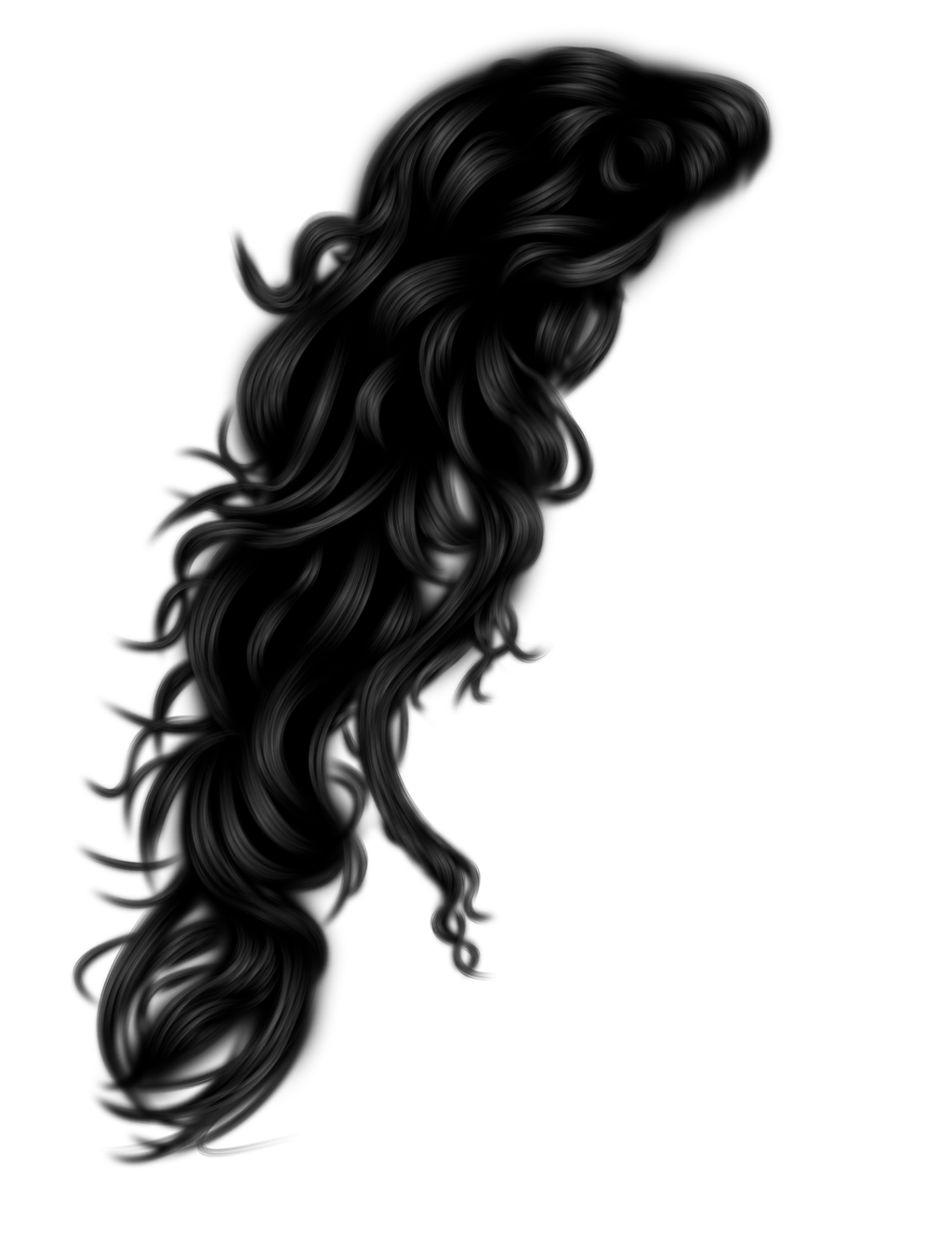
Detangling is where most damage quietly happens. The wrong brush or a rushed hand can pull strands from the lace root, compromising the hairline. For brazilian hair lace wigs, patience is the only safeguard. Start from the ends, holding the hair above the knot to absorb tension. A wide tooth comb or a soft bristle brush works best. Work upward in slow sections, never yanking through a tangle. Spraying a light leave in conditioner before brushing adds slip and reduces friction. Detangle when the hair is damp, never dry. A nightly routine of three gentle passes keeps the curls defined and the cuticle flat. Those who treat brushing as a ritual rather than a chore find their brazilian hair lace wigs hold their shape for well over a year.
Nighttime Care to Preserve the Wig
Nighttime is when most wigs meet their end. The friction of a cotton pillowcase, the pressure of a restless sleep, the silent tugging against the lace. For brazilian hair lace wigs, the night routine determines whether the hairline survives the full year.
Sleeping on satin is non-negotiable. Cotton absorbs moisture and frays the cuticle. Before bed, gather the hair into a loose braid or pineapple the curls high on the crown. A velvet scrunchie holds without creasing.
A nightly ritual:
- Wrap the wig in a silk scarf or bonnet
- Flatten the lace against your head so it is not folded
- Lay your head on a satin pillowcase for double protection
When morning comes, a light mist of water and a finger comb revive the style. No heat, no heavy brushing. For brazilian hair lace wigs, the care you give at night is the longevity you keep.
Common Mistakes That Shorten Wig Lifespan
A single error can shave months off brazilian hair lace wigs. Most damage occurs after styling, not during it. Alcohol based sprays near the lace weaken adhesion and dry the cuticle. Sulfate heavy shampoos strip the hair’s natural coating, making it brittle over time.
Peeling the cap off without dissolving the glue is another frequent mistake. It stretches the lace and pulls out the hand tied knots. Once those knots loosen, the hair begins shedding at the root.
- Never brush the hair while the cap is damp
- Do not use conditioner on the lace itself
- Avoid twisting the wig into tight buns when storing it
Even simple storage matters. Draping brazilian hair lace wigs over a doorknob or leaving them on a rough shelf creates snags that accumulate over time.
Signs It Is Time to Replace Your Lace Wig
There is a quiet moment every lace wig wearer knows. You catch your reflection and notice a lingering gap between the lace and your temple. It is not a styling slip. It is the first whisper of farewell. Maintaining brazilian hair lace wigs requires vigilance beyond the wash day routine. I have learned to trust the subtle cues that mean the cap has given its best.
One of the smartest longevity tips is rotation. Switching between two brazilian hair lace wigs allows the delicate knots to rest, dramatically delaying stress on the base. Pay attention to these signs that the journey has ended:
– Shedding that continues after gentle detangling
– Lace that refuses to lay flat against the skin
– Thinning at the crown or along the part
– A rough texture that no conditioning restores
When these appear, it is time to release the wig with gratitude and begin anew.