

Understanding the Bust-Down Wig Phenomenon
What Defines a Bust-Down Wig Style
Walk into any salon in Johannesburg and the phrase ‘full lace’ is everywhere. Yet the obsession is with brazilian bust down wigs, a term that has moved from Instagram captions to everyday conversation. A bust down wig is not a simple unit. It is a meticulous system where the lace melts into the scalp and the hairline needs no adjustment.
What sets the style apart comes down to specific choices that leave no room for guesswork:
- A hand tied cap that moves with your natural head
- Pre bleached knots for a transparent, realistic scalp
- Bundles cut and layered to frame each face individually
This attention to detail defines the finish. For South African women, these wigs offer a protective style that survives humidity and still photographs like a studio campaign. The true test is simple. Run your fingers through it without a single weft showing.
The Rise of High-Gloss Lace Fronts
The high-gloss lace front has become a quiet obsession in Johannesburg’s fashion underground. I have watched these units sell out within hours, their sheen reflecting light with an unnerving precision. Brazilian bust down wigs no longer signal luxury; they signal belonging.
This rise owes itself to a shift in how women perceive shine. A matte finish once ruled, but now the glossy scalp reads as alive, almost spectral. The phenomenon is not about mimicry. It is about control. The high-gloss trend has birthed its own rituals:
- Weekly reapplication of shine serums
- Lace tinted to match every skin undertone
- Photographic proof of the scalp under studio lights
The allure is uncanny. Women speak of the hair as a second skin, a protection against the highveld sun. For many, brazilian bust down wigs have replaced traditional weaves entirely, and the city’s stylists scramble to keep pace with the demand!
Key Differences Between Standard and Bust-Down Wigs
Standard wigs and brazilian bust down wigs diverge in measurable ways. A standard unit uses a generic parting space and a lighter hair density. A bust-down is engineered: knots bleached, lace tinted, and the hairline plucked to mimic natural growth. I have seen women flip a standard wig over and instantly know. The difference is the hours of handwork.
- Bleached knots that eliminate dark dots
- Pre-plucked hairlines that follow your bone structure
- Dense, layered wefts that move like real hair
Bust-downs carry weight and behave like a second scalp. Standard wigs read as costume. That is the whole distinction.

Why Brazilian Hair Dominates the Premium Wig Market
The Natural Luster and Texture of Brazilian Strands
Brazilian hair holds roughly 70% of the premium remy market, and the reason is tactile. When I run my fingers through brazilian bust down wigs, the cuticle alignment feels consistent. This hair retains its natural luster because the strands are harvested in a single direction, preserving the outer layer. The texture is neither coarse nor slippery; it strikes a balance that mimics healthy, relaxed hair. That unique fiber density allows the wig to move with a weighty bounce.
Consider what this means for styling: the hair holds a curl pattern without constant product buildup. For women in Johannesburg or Cape Town, the humidity resistance matters. Brazilian strands possess a natural wave that reacts well to moisture, so the lace front lays flat while the lengths frame the face. This is why premium wig buyers return to Brazilian origins again and again.
Durability and Lifespan Compared to Other Origins
The lifespan of a full lace piece is the true test of its worth. Many origins fray at the weft after a handful of installments; the fibre separates and sheds within three months. Brazilian bust down wigs, however, present a different narrative. The cuticle integrity offers a resistance to friction that synthetic blends and Indian remy simply cannot replicate. You are paying for longevity measured in years, not seasons.
The structural resilience stems from the denser cortex of the strand. It withstands the constant tension of a sew-in and the heat of repeated flat ironing without snapping. In the South African sun, where UV rays can fade colour and dry out the shaft, this hair retains its pigment and moisture. Consider the wear patterns of a standard unit:
– Frequent washing strips the natural oils, leading to tangling.
– High humidity causes standard hair to swell and frizz.
– Styling with hot tools degrades lower grade strands quickly.
Brazilian strands laugh at these perpetrators. A bust down wig treated with basic care will outlast a competitor by six months or more. The investment in a premium unit is a defence against the constant churn of replacement, ensuring the silhouette remains pristine while other women cycle through their fifth cheap alternative. The cost per wear drops significantly, proving that the origin matters as much as the cut.
Styling Versatility with Heat and Chemicals
Nothing separates premium hair from the rest faster than a hot iron. Standard strands sizzle and snap, but brazilian bust down wigs accept the heat without losing integrity. The cuticle structure handles repeated thermal styling, which is why stylists reach for it when a client wants a bone-straight finish or dramatic curls.
Chemical services reveal the same truth. You can safely apply bleach and relaxers without the fibre turning to mush. Here is a short list of what this hair survives:
1. Bleach baths for a full platinum transformation
2. Perms or texturizers to reshape the wave pattern
3. Daily flat ironing at high temperatures
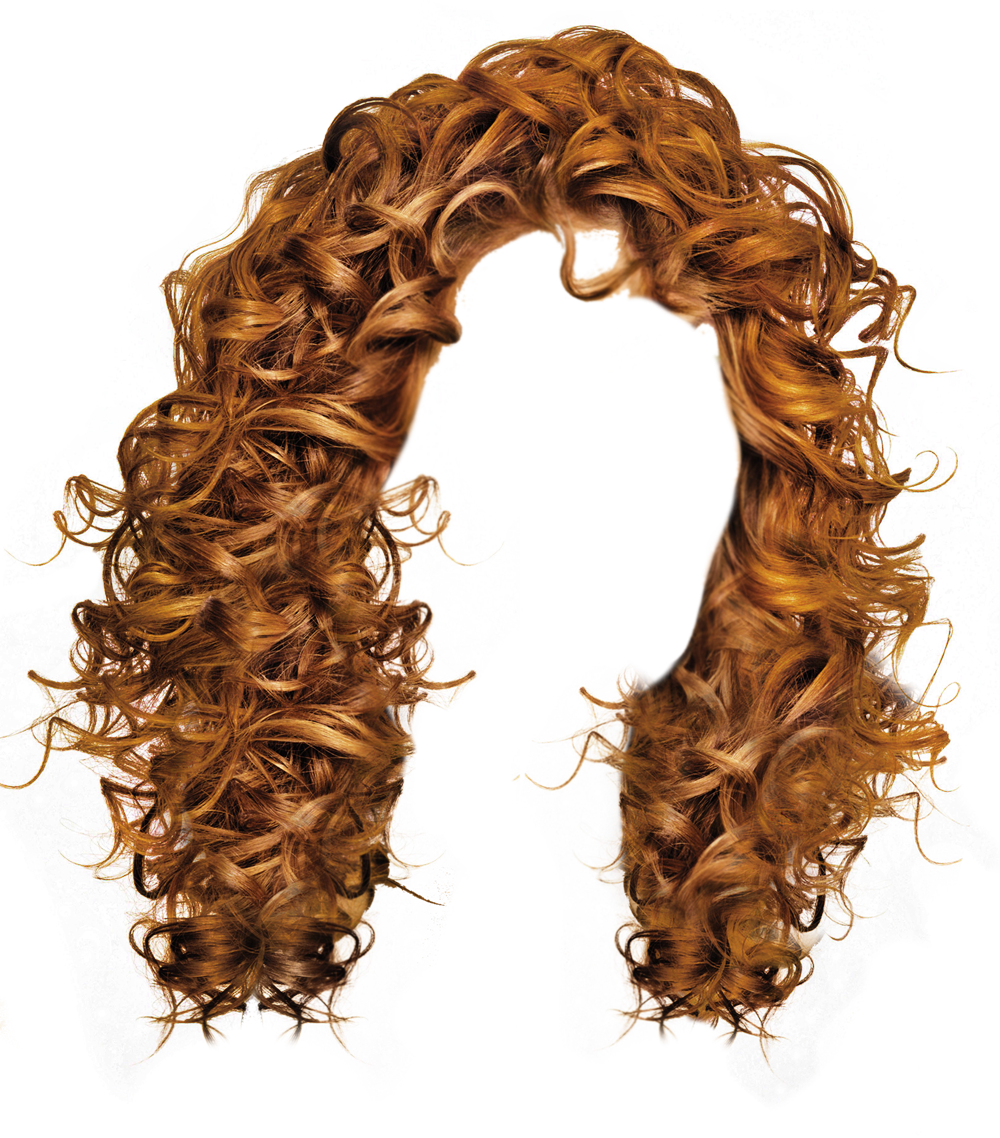
That versatility is the reason brazilian bust down wigs command a premium price. You are not locked into a single look. The hair moves with you, from a slicked-back bun on Monday to loose curls by Friday, and it still feels like your own. In the South African heat, this resilience is not a luxury.
Cost Considerations and Value for Money
The premium wig market has a quiet rule: customers do not return to lesser origins once they have worn Brazilian. That rule explains the price tags and the loyalty. Brazilian bust down wigs dominate through an economic calculus that South African shoppers have learned the hard way. The upfront cost stings, yet the cost per wear shrinks when the hair survives a full year of daily styling.
- Replacement units every three months
- Repairs to melted wefts and shedding lace
- Styling products needed to mask poor texture
That list is why the premium price feels reasonable. A cheaper wig is not a bargain; it demands constant attention. Brazilian bust down wigs hold their integrity, and that integrity holds value when you consider resale and daily wear.
How to Choose the Perfect Bust-Down Wig for Your Face Shape
Matching Parting Styles to Facial Contours
A round face requires a deeper side part to create angles, while a square jaw softens with a middle parting that frames the hairline. The beauty of brazilian bust down wigs is that the lace allows you to reposition the parting repeatedly. This flexibility matters because your facial contours change how the wig reads in person, not just in photographs.
- Round faces benefit from a high side part that elongates the face.
- Square faces look balanced with a soft middle part.
- Heart shaped faces gain symmetry from an off centre part.
- Oval faces suit any parting, though a deep side part adds drama.
Your forehead width and cheekbone placement should guide the final choice. A zigzag part adds volume where you need it, while a straight middle part lengthens shorter faces. When choosing brazilian bust down wigs, test the parting while the wig is on your head. These adjustments take seconds, yet they transform the silhouette entirely.
Selecting the Right Density and Length
A wig’s density can shift your perceived age by ten years, a fact most shoppers overlook. Narrow faces require lighter density near 130% to keep the silhouette clean, while broader jawlines handle a full 180% without appearing bulky. I measure from the natural hairline to the collarbone when advising clients; shorter lengths complement petite frames.
- 130% density suits fine facial bone structure.
- 150% offers balanced volume for most.
- 180% creates dramatic fullness for larger faces.
With brazilian bust down wigs, the weight of the strands affects lace adhesion. A heavier unit pulls forward and disturbs your parting. Long, dense hair also demands more frequent styling, so match both variables to your daily routine.
Customizing the Hairline for a Seamless Blend
Your face shape dictates where the lace should sit. I always mark the client’s natural hairline before applying a Brazilian bust down wig. A straight hairline flatters oval faces, while a rounded edge softens strong angular features. Widow’s peaks add drama but require precise plucking along the center.
The customization process is where the wig becomes invisible. I trim the lace in small increments, never cutting straight across. This keeps Brazilian bust down wigs from shifting under tension. The ear tabs must sit flush against the skin, otherwise the unit lifts when you turn your head.
Here’s how I order the steps:
– Melt the lace with a seamless bond first
– Pluck baby hairs in a triangular pattern
– Cut the lace leaving one millimeter of excess
The result is a hairline that follows your natural contours. Your unit goes unnoticed, which is the entire point of a bust down finish.
Popular Bust-Down Cuts and Their Best Matches
Every stylist I know agrees: the face shape dictates everything! Choosing between brazilian bust down wigs isn’t about following trends. It’s about geometry, nothing else. A round face needs length, so a long layered cut with a center part works. An oval face can handle a blunt bob, but the lace must sit lower to avoid elongating the jaw. For heart-shaped faces, a deep side part with soft waves balances the forehead.
The best matches follow a simple logic:
- The shoulder-grazing cut suits most shapes, especially square jaws.
- The asymmetrical bob adds structure to soft, round features.
- The pixie works only for narrow jawlines and small foreheads.
When I fit brazilian bust down wigs, I consider the crown volume. High volume flatters oblong faces. Flat roots suit rounder features. The cut must echo the skull’s proportions, not the latest Instagram reel.
Styling and Maintenance Tips to Keep Your Wig Flawless
Daily Care Routines for a Glossy Finish
Each evening, my brazilian bust down wigs demand a quiet ritual. I spritz the strands with a hydrating mist, then run a wide tooth comb from tip to root, never the reverse. This habit preserves the cuticle, the source of that wet look shine. The gloss you see is simply the reward for consistent, gentle handling. For brazilian bust down wigs, the nightly routine matters more than any expensive styling product.
When the Johannesburg humidity turns sticky, a drop of argan oil warmed between palms works wonders. Press, don’t rub, along the mid lengths. For the lace, a soft bristle brush lifts dust without disturbing the knotting. Every other day, I refresh the curl pattern using a low heat steamer.
- Store the wig on a silk stand to prevent friction.
- Detangle before washing, not after.
- Use lukewarm water only.
Styling with High Heat Without Damage
Professional stylists often warn against heat, yet brazilian bust down wigs are engineered to handle it when you respect their thresholds. I keep my flat iron at 180 degrees Celsius, a setting that preserves the cuticle while still producing that sharp, wet look finish. Thermal protectant spray is non-negotiable. It absorbs the initial shock and prevents the strands from snapping under pressure.
Sectioning matters more than temperature. I divide the wig into small panels, clip away the rest, and glide the iron once through each section. Repeating strokes damages the fibre. For curls, I wrap the hair around a wand and wait for full cooling before releasing. This patience locks the shape without cooking the strand.
The lace remains untouched by heat. When styling brazilian bust down wigs, I work from the mid lengths downward, leaving the root area intact. This approach keeps the knotting secure and the hairline believable. A steamer restores bounce between sessions, but the iron stays off the base entirely.
Washing and Conditioning to Preserve the Lace
Washing brazilian bust down wigs is where most damage quietly begins. I rinse with lukewarm water before any shampoo touches the strands. This pre-soak opens the cuticle just enough to release product buildup without stripping the natural oils that give Brazilian hair its gloss.
The lace demands a different protocol. I never submerge the cap. Instead, I work a diluted sulfate-free cleanser through the lengths while the wig hangs upside down on a mannequin head. This keeps the knots dry and prevents the lace from stretching into a distorted shape. Conditioning follows the same logic. I apply it from the mid lengths to the ends only, never brushing upward toward the hairline.
A weekly deep conditioning session keeps the hair supple and maintains that bouncy movement. For the lace region:
- Use a soft toothbrush to lift any residue from between the knots
- Pat dry with a microfiber towel, never wring or twist
- Allow full air drying before any heat touches the strands
Storage Solutions for Longevity
Styling brazilian bust down wigs is less about force and more about patience. A wide tooth comb, worked from the ends upward, respects the cuticle and prevents the shedding that ruins a flawless finish. I keep a separate comb just for the lace, since oils from your scalp transfer quickly and dull the knots.
Storage determines whether your unit survives the month or merely the week. Never fold the cap. Never drape the hair over a hook. Instead, store it on a foam head and wrap the lengths in a satin scarf. This preserves the curl pattern and keeps the lace from buckling.
For longevity, adopt these habits:
– Loosen braids or twists before storing to avoid creases.
– Keep the wig in a cool, dry cupboard, away from direct sunlight.
– Rotate between two wigs if you wear them daily.
These small rituals extend the lifespan of brazilian bust down wigs considerably, and the difference shows within a few weeks.
Refreshing the Hairline Between Installations
The hairline is where brazilian bust down wigs earn their keep, and between installations, those two centimeters of lace decide everything. I refresh mine with a cotton swab dipped in rubbing alcohol, dissolving old adhesive before it hardens into an uncomfortable ridge. Then I apply a whisper of fresh glue, press the lace down with a satin scarf, and let it rest for ten full minutes. No tugging, no re-adjusting, no patting it like a nervous habit. For the knots, a matte scalp spray in your exact shade hides any transparency without dulling the natural gloss.
Keep the front flawless by:
- Laying the unit flat on a soft towel when you sleep, never face-down on the lace.
- Brushing baby hairs upward with a clean toothbrush and finishing with a light hold mist.
- Checking for lifting after workouts, since sweat loosens the bond faster than anything else.
This routine keeps brazilian bust down wigs looking freshly installed long after the salon chair is a memory.
Installation Methods and Professional Insights
Sew-In versus Glue-Down Techniques
Choosing between a sew-in and glue-down for brazilian bust down wigs often separates novices from professionals. I have watched stylists in Johannesburg and Cape Town debate this exact fork in the road. The sew-in wins for protective styling, because your natural hair stays braided underneath and the lace stays clean. The glue-down delivers that flat, laid edge many clients crave for an immediate, high-gloss finish.
Professional insight matters here. A skilled stylist knows that tension is the enemy. Too much pull on a sew-in creates traction stress. Too much adhesive on a glue-down leads to melting and buildup.
Here is what I ask clients to consider before their appointment:
– Your scalp sensitivity and oil production
– The longevity you want between visits
– How often you plan to wash and condition the lace
Brazilian bust down wigs perform beautifully with either method, but only when the technician respects the hairline. Trust the process, but question the shortcuts.
The Importance of Lace Tinting and Bleaching
A lace that catches the light betrays the entire installation. Tinting and bleaching the knots is the step most clients overlook, yet it determines whether brazilian bust down wigs look like hair or like a product. The base of the lace should dissolve against the scalp, not sit on top of it.
For South African skin tones, which range from deep mahogany to warm caramel, a single blush tone is never enough. I mix custom shades. That process involves:
– Mapping the scalp undertone across the parting zone
– Bleaching the knots carefully to avoid weakening the lace mesh
– Sealing the tint so perspiration does not strip it
An untinted lace creates a visible grid under studio lighting. A properly bleached knot, by contrast, becomes a shadow rather than a dot. This is artisan work, and brazilian bust down wigs demand that level of finish to be worth their price.
Achieving a Natural Bump and Crown
A flat crown reads as a wig, no matter how expensive the lace. I build volume from the inside out, using the client’s own hair as a foundation where possible. For brazilian bust down wigs, the weight of the hair itself can flatten the crown within hours. The trick lies in how you layer the wefts and where you place the clips. A staggered placement distributes tension evenly, preventing that telltale headache and keeping the silhouette elevated.
One method that works consistently:
- Cushion the crown area with a soft mesh cap
- Stack wefts in a horseshoe pattern rather than straight across
- Secure the front with a firm grip, leaving the crown area free to move
The bump should sit just behind the hairline, not at the apex. That placement mimics natural growth patterns. You cannot force a crown into place with hairspray. The geometry of the install determines the shape, and the shape determines whether brazilian bust down wigs look sculpted or stiff.
Maintenance Schedule for Busy Schedules
Research indicates that over 70% of South African women report a decline in hair density by their late twenties, which is why the demand for brazilian bust down wigs has exploded. The wearing schedule matters as much as the installation itself, particularly for women balancing demanding careers in Johannesburg or Cape Town. A methodical approach prevents the dreaded slippage that exposes a lace front during a client presentation or evening function.
Installation requires a firm foundation. The cap should be snug, not suffocating, and the perimeter must be secured with a flexible bond that allows for natural head movement. I prefer a honeycomb pattern for weft placement when working with brazilian bust down wigs because it reduces tension along the occipital bone. Parting precision during this phase determines whether the unit sits flat or lifts. For busy clients, I recommend a sewn installation with a leave out fringe to protect the delicate edges along the hairline.
Maintenance for a woman on the move does not require a weekly salon visit. A strategic schedule protects the investment:
– Daily: Brush with a boar bristle paddle and finger comb the part
– Every three days: Spritz with a water and leave in conditioner blend
– Every ten days: Full cleanse and deep condition, followed by a cool water rinse to seal the cuticle
This ten minute cadence keeps the bonds secure and the hair glossy without eating into a packed diary. The key is consistency over intensity. Rushing a wash day or sleeping in a style causes matting at the nape, which shortens the lifespan of brazilian bust down wigs. Treat the unit as a component of your wardrobe, not an object for occasional wear. Plan the install around your calendar. If you have a busy month of travel, install a new unit two weeks prior to allow the lace to settle and the bond to cure properly.