

Understanding Brazilian Hair Wigs
What Makes Brazilian Hair Unique
The human hair market often whispers a singular truth, yet the physical reality of Brazilian strands speaks louder. These fibers are prized for their remarkable density and a naturally resilient cuticle, which allows them to withstand the humidity of a Durban summer or the dry Highveld winds without succumbing to brittleness. This intrinsic strength means the hair holds its curl pattern, whether you choose loose waves or tight ringlets, maintaining a luscious volume that feels substantial, not wispy.
For those searching for brazilian wigs for sale in south africa, the texture is often the deciding factor. It offers a versatile middle ground that works beautifully with various styling techniques:
– A coarse, yet soft, texture that mimics the body of naturally thick hair.
– A tendency to blend seamlessly with relaxed or chemically treated hair.
– An ability to accept color or heat styling without losing its fundamental integrity.
This unique composition also grants the wearer a sense of effortless confidence. The hair’s natural luster eliminates the need for excessive oiling, and its longevity means your investment carries through many months of wear. Ultimately, choosing this origin for your unit is a decision rooted in an appreciation for genuine, unprocessed quality that serves the practical needs of daily life.
Types of Brazilian Wigs (Lace Front, Full Lace, etc.)
The construction of a wig determines its lifespan and its discretion. Two units can both be labeled premium, yet behave entirely differently on the scalp. This is the hidden architecture most shoppers overlook when they search for brazilian wigs for sale in south africa.
A lace front wig offers a sheer lace panel along the forehead. It mimics a natural hairline, allowing for off-the-face styling while keeping the crown and nape on a more durable, traditional cap. For daily wear in a humid climate, this balance is often the practical choice. The lace is undetectable when applied correctly, and it breathes, which keeps the scalp cooler than a fully closed base.
The list of build options can feel overwhelming, so consider the difference in coverage:
– Full lace wigs feature lace across the entire cap, enabling a center part, a high ponytail, or any directional styling.
– A 13×4 frontal operates like a lace front but with a deeper parting space for more versatility.
– A silk base uses a thin layer of silk at the crown to create the illusion of a real scalp, perfect for close inspection.
Full lace and silk top units offer the most freedom, but they demand more care. The delicate mesh requires gentler handling during installation and removal. A glued perimeter can tug at the lace if you are not careful.
An unprocessed brazilian wig carries its own weight, so the cap must support that density. A weak base will stretch and tear over time. Inspect the wefts and the lace density before committing. The best cap for you is the one that matches your styling habits, not just your budget. Knowing the difference between a frontal and a full lace unit protects your investment and your confidence.
Comparing Brazilian, Peruvian, and Indian Hair
Origin determines behavior. Brazilian, Peruvian, and Indian strands differ in cuticle thickness and weight. Brazilian hair from South American donors is dense and coarse, ideal for volume. Peruvian hair is lighter and wavier, sitting between the two. Indian hair, often collected at temples, is fine and naturally straight. When you search brazilian wigs for sale in south africa, the source matters more than the label.
- Brazilian hair offers the thickest strand, surviving heat styling well.
- Peruvian hair blends softness with a subtle wave.
- Indian hair accepts color quickly but requires gentler care.
Your scalp reacts to this weight and texture. A lighter Indian unit feels cooling on a Durban afternoon, while a Brazilian unit holds a curly style longer. Hair origin shifts the entire wearing experience, from grip to movement.
How to Identify Authentic Brazilian Hair
A burn test costs nothing and reveals everything. Real Brazilian hair singes into ash, while synthetic blends melt into a hard bead. When you search brazilian wigs for sale in south africa, this simple check separates genuine strands from fakes. Cuticle alignment matters too. Run your fingers from tip to root. Authentic Brazilian hair feels smooth in one direction only, since cuticles face the same way.
I wet a strand and smell it. Human hair carries a faint, organic odour, while chemically stripped hair smells sharp and acidic. Weft construction offers another clue. Machine wefts often hide mixed origins. Hand tied wefts let you examine each knot.
Authenticity markers include:
- Even colour distribution across the weft
- Natural shedding of a few strands per wash
- Consistent strand diameter, free of mixed textures
The supplier’s stated origin needs verification. Many vendors list brazilian wigs for sale in south africa vaguely.
Shopping for Brazilian Wigs in South Africa
Online Retailers vs. Physical Stores
The discerning shopper treats the search for Brazilian wigs for sale in South Africa as a serious negotiation. Online retailers offer an extensive catalogue, yet the tactile truth of hair cannot travel through a screen. A physical store lets you run your fingers along the weft, test the density, and observe how light catches each strand. That sensory honesty matters when you are buying something that will live on your head.
The online route requires attention to return policies and candid customer photographs. Both approaches have merit, but only one permits you to sniff the hair, an underrated pleasure.
Popular South African Wig Shops
They say the guide is fake, but the pilgrimage is real. Shopping for Brazilian wigs in South Africa means navigating a retail safari where the prize is not a lion, but a perfect closure. The hunt often leads to bustling hubs like Johannesburg’s China Mall or Durban’s bustling streets, where vendors conduct negotiations with the ferocity of a rugby finalvester.
– The “Goddess” vendor: She flips hair like a casino dealer and claims every bundle is from the same head of hair. It is not.
– The “abooboo” upgrade: The price drops if you accept the mannequin head as a free gift. Take the deal.
– The “import specialist”: His stock has a two week layover in Lagos isotoping a new origin story.
The best shops are often the ones with no website and a line out the door. You will spot the aficionados instantly. They are the ones examining the weft with a jeweller’s loupe and negotiating an extra bundle for their “trouble”. In this ecosystem, the customer is king, but the hair is the queenmaker. You might walk in for a standard unit and leave with a 360 lace wig and a new best friend. The exchange is loud, frantic, and oddly intimate, a ritual that ends with a bag and a promise. At a shop in Rosebank, they speak fluent Brazilian in three minutes flat)Skip the tears. It is an art form. You pay for the hair, but the gossip is complimentary. Find a shop that offers a wash and style session after purchase. That is the true gold standard for South African retail therapy. The best part? You leave looking like a million rand and your wallet feels only mildly assaulted. That is a bargain.
Navigating Marketplaces like Gumtree and Facebook
The pursuit of flawless hair in South Africa often leads to a specific question: where to find authentic brazilian wigs for sale in south africa. The market is saturated, and the distinction between high-grade virgin hair and synthetic blends is not always obvious to the untrained eye. This guide serves as a navigational tool for the discerning buyer, focusing on the realities of the local industry without embellishment.
Understanding the Landscape
The demand for Brazilian hair has created a robust network of suppliers, ranging from established salons to informal traders. The price point is often the first indicator of quality, but it is not the only one. A cheap bundle is a red flag, but an exorbitant price does not guarantee authenticity. The savvy shopper understands that the source, the processing method, and the vendor’s reputation carry equal weight. When searching for brazilian wigs for sale in south africa, consider the entire ecosystem, not just the final product on the mannequin.
The Physical Examination
Before any transaction, a physical inspection is non-negotiable. Run your fingers through the hair. Authentic Brazilian hair feels coarse at the root and silky towards the ends, a texture that is difficult to replicate synthetically. Ask to see the weft. A sturdy, hand-sewn weft indicates quality, while a thin, machine-stitched one will likely shed. Furthermore, check for shedding by lightly tugging on the strands. A few loose hairs are acceptable, but a handful is a warning sign. The cuticle alignment should be unidirectional, meaning all the strands flow in the same direction, which prevents tangling and matting.
Navigating the Sellers
In Johannesburg, the hair trade is concentrated in areas like China Mall and small specialty shops. The vendors here are often knowledgeable but also skilled negotiators. A common practice is the “bait and switch,” where a customer is shown high-quality hair but receives a lower grade after payment. To protect yourself, insist on witnessing the hair being sealed into the packaging. In Durban, the market is heavily influenced by the port trade, which brings in a mix of authentic and counterfeit goods. The “import specialist” vendor might claim a direct pipeline from Brazil, but without documentation, this is simply a story. Trust is earned through verifiable action, such as a clear returns policy or a money-back guarantee.
The Cost of Quality
The price of a full head of hair in South Africa can range from a few hundred to several thousand Rand. This variance is tied to the quality of the raw material and the processing. Brazilian hair is prized for its durability and ability to hold a style. When budgeting, account for the fact that a higher upfront cost often translates to a longer lifespan. A cheaper alternative might look acceptable for a week but will likely require replacement within a month, making it more expensive in the long run. The search for brazilian wigs for sale in south africa should be an investment, not a gamble.
The Final Consideration
The transaction does not end with the purchase. Proper maintenance is crucial for longevity. Use sulfate-free shampoos and conditioners, and avoid excessive heat. When storing the wig, keep it on a stand to maintain its shape. The relationship with your vendor should also continue. A reputable seller will offer aftercare services or advice. The market for brazilian wigs for sale in south africa is a complex one, filled with opportunity and risk. A systematic approach, combining physical inspection, vendor vetting, and a realistic understanding of price, will yield the best result for your hair and your pocket.
Custom-Made vs. Ready-to-Wear Wigs
The eternal wig shopper’s dilemma: bespoke perfection or immediate gratification. In Johannesburg’s hair district, custom-made units reign supreme for those who treat their crown like a tailored suit. Ready-to-wear wigs, however, provide the satisfaction of leaving the shop with hair already attached to your head. The brazilian wigs for sale in south africa span both categories, and the choice often hinges on your patience threshold and your forehead’s real estate.
Custom wigs are built around a block, a head-shaped styrofoam form, to match your skull’s topography. That precision matters if you plan to swim, sleep, or survive a windy day at the taxi rank. Ready-to-wear wigs rely on combs and elastic straps.
A hard truth: custom variants usually cost triple the ready-made price. Before you choose, weigh your priorities:
1. Custom wigs demand a lead time of two to six weeks.
2. Ready-to-wear models are yours the moment you hand over cash.
3. Custom caps feel invisible; ready-made caps remind you they exist.
Your wallet and your calendar will have the final vote.
Shipping and Delivery Considerations
Every order of brazilian wigs for sale in south africa carries a hidden variable that no product photo can capture: the delivery route itself. Shipments from Brazilian suppliers pass through international hubs, and that journey often determines whether the parcel arrives on Friday or the following month.
The distance between a warehouse in Sao Paulo and a doorstep in Durban or Cape Town involves multiple handoffs, each one a potential point of failure.
- Express air freight runs 2 to 4 days, with higher shipping costs
- Standard air freight lands in 7 to 12 days
- Sea freight saves money but takes 30 to 45 days
When you compare brazilian wigs for sale in south africa from different vendors, ask about shipping partners before asking about lace quality. A wig sitting in a sorting facility does nothing for your head. The best product loses all value if the delivery chain snaps.
Pricing and Quality Factors
Average Price Range in South Africa (in ZAR)
When you start comparing prices, you will notice that brazilian wigs for sale in south africa vary widely. A basic unit might cost R1,500, while a premium, hand-tied piece can reach R8,000 or more. This gap comes down to sourcing and construction. I have seen the same advertised style sold at two different shops with a R3,000 difference, simply because one used raw hair and the other used processed ends.
Several factors determine the final price tag:
– Hair grade and origin (raw vs. Remy)
– Cap construction (machine vs. hand-tied)
– Density and length
– Whether the lace is pre-plucked or bleached
Cheaper options often shed within weeks. Quality pieces, however, maintain their texture through multiple washes. When you see a price that feels too good to be true, inspect the cuticle alignment and the weight of the weft. The real cost reflects the work involved, so ask for a strand sample before you commit. That single step saves you from wasting money on a unit that looks dry by month two.
Why Quality Varies: Grade A, B, C
The truth about brazilian wigs for sale in south africa is hidden in the grading system. Shops slap labels like Grade A on everything. You must look past that sticker. Grading refers to how the cuticle layers are aligned and how much processing the hair endures before it reaches you.
Grade A hair has all cuticles running in the same direction. This prevents tangling and keeps the hair from matting at the nape. Grade B hair has mixed cuticle directions, so it will tangle faster and shed more after a few washes. Grade C is often synthetic or heavily processed, and it will not survive a South African summer.
– Grade A: Cuticle aligned, single donor, minimal processing
– Grade B: Mixed cuticle, multiple donors, some chemical processing
– Grade C: Heavily processed, high shedding, short lifespan
The gap between these grades explains why one vendor charges R3,500 and another asks R7,000 for what looks identical online. A Grade A unit made from raw Brazilian hair keeps its bounce through winter and summer. Grade B will feel dry by month three if you do not deep condition weekly.
I have inspected stock from Johannesburg wholesalers and Durban vendors. The difference is visible before you even touch the hair. Grade A wefts are heavier and the lace sits flatter against the scalp. Grade B wefts feel lighter because the vendor removes more hair during processing to hide damage.
Buyers often chase the cheapest brazilian wigs for sale in south africa without asking about cuticle integrity. That is a mistake. The grading system exists to protect you, but only if you know what to demand. Ask your supplier to confirm the grade in writing and ask for a strand test. Burn a small piece. Grade A hair turns to ash; lower grades melt into a hard bead because of silicone coatings.
The cost of higher grade hair reflects the longer sourcing process. Dealers pay more for donors who have not chemically treated their hair. That cost carries through to the final price. If you see Grade A advertised at half the market rate, the vendor is lying or working with stolen or blended hair. There is no middle ground.
Lace Type and Cap Construction Costs
Over R3,000 for a wig that tangles after three weeks. That is the reality for many South African shoppers who skip the details and trust a pretty picture. The price difference between a decent unit and a disaster often comes down to two things: the quality of the hair itself and the construction of the cap.
Pricing and Quality Factors
You pay for the raw material and the labour. Brazilian hair is prized for its strength and natural lustre, but not all strands are equal. Virgin hair, cut from a single donor with the cuticle intact, commands a premium because it lasts for years. Remy hair, where the cuticles are aligned but may come from multiple donors, offers good quality at a slightly lower price. Non-Remy hair is a gamble; it tangles, sheds, and often requires heavy chemical processing to look presentable.
The processing method also dictates the final cost. Hair that is chemically relaxed or coloured loses its structural integrity. It may look glossy on day one, but it will break down quickly under South African humidity and heat. The true test is the burn test. Real hair crumbles to a fine ash. Synthetic blends melt into a hard, plastic bead. A vendor who hesitates when you ask how the hair was processed likely has something to hide.
Lace Type and Cap Construction Costs
The lace is not just a net; it is the foundation of a natural look. Swiss lace is ultra-thin and virtually invisible on the skin, but it tears easily. HD lace is slightly more durable while still offering that melt-in effect. Both require careful handling and add to the overall price point. Cheaper options like standard transparent lace are thicker and more noticeable, but they are also more forgiving for beginners.
Inside the cap, the real cost lies hidden. A full lace wig has a base made entirely of lace, allowing for versatile parting anywhere on the scalp. This requires more hand-sewn wefts, which increases labour costs significantly. A 13×4 frontal, by contrast, has a lace piece only at the front, with a machine-sewn weft cap at the back. This is a more affordable option that still allows for a natural hairline.
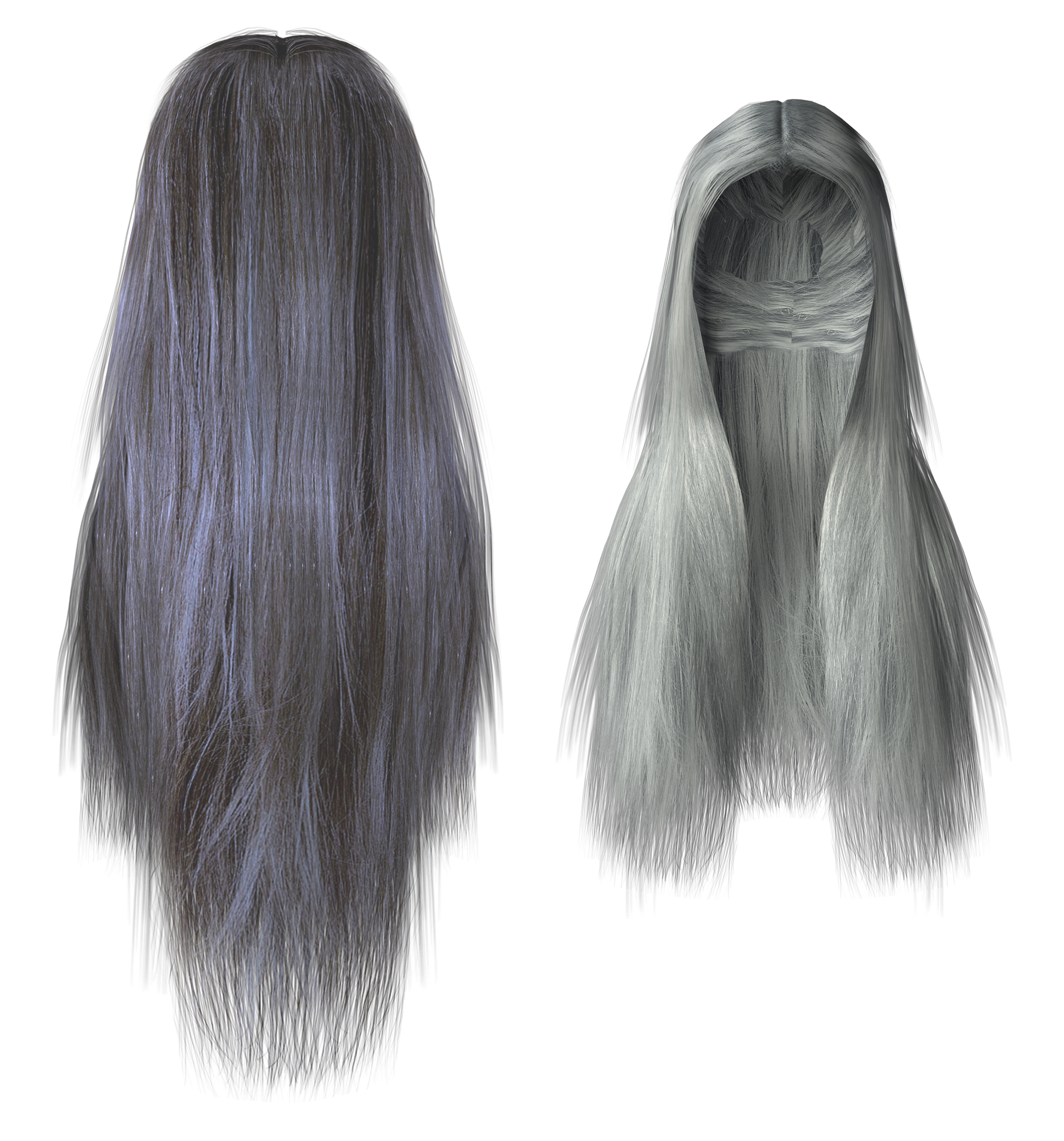
For those searching for brazilian wigs for sale in south africa, the construction details matter just as much as the hair grade. Look for adjustable straps, combs, and a silk top. A well-constructed cap will have a secure fit that does not shift during wear. Pre-everything lace, which is already cut, bleached, and plucked, saves you hours of preparation. It costs more, but it is an investment in convenience.
Ultimately, the price tag tells a story. A low price often means shortcuts in the sourcing or the sewing. A high price without transparency is equally risky. The sweet spot is finding a supplier who can explain exactly why the wig costs what it does, from the donor to the last stitch on the weft.
Hair Length and Density Impact on Price
Hair length and density are quiet price multipliers. A 10 inch unit and a 22 inch unit look similar in a product photo, but the longer one requires hair from multiple donors. That scarcity drives the cost upward.
Length adds weight. More inches mean more wefts, more stitching time, more raw material. A 14 inch bob stays affordable. An 18 inch waterfall uses significantly more hair, and suppliers in South Africa price accordingly.
Density controls the full look. Standard density sits around 130%, which mimics natural hair. Premium units reach 150% or 180%.
- 130% density: everyday wear, lighter on the scalp
- 150% density: fuller appearance, moderate weight
- 180% density: high volume, maximum material cost
Shoppers hunting for brazilian wigs for sale in south africa should match density to lifestyle. A dense wig in humid coastal cities can feel heavy by midday.
Warranty and Return Policies
A return policy is the most honest quality signal in the wig trade. Sellers offering brazilian wigs for sale in south africa with a written warranty are betting on their sourcing. A seven day inspection window means the lace was checked. A vendor who refuses returns may be moving hair with shedding or poorly bleached knots.
Price and warranty move together. A well priced wig carries a clear exchange policy. The cheap unit with no guarantee costs more in the long run, leaving you with a cap that cannot hold a style.
Typical warranty terms cover:
- Inspection windows for unaltered units
- Replacement for defective caps or lace
- Insurance on courier shipments
Styling and Maintenance Tips
Washing and Conditioning Your Brazilian Wig
Caring for a high-quality investment requires a touch of finesse, and this is particularly true when you own brazilian wigs for sale in south africa. The distinct texture and body of this hair demand a specific routine to maintain its signature bounce and shine. You will want to wash it every seven to ten days, depending on how much product you use, to prevent the natural cuticle from drying out. A gentle, sulfate-free shampoo is essential; you should focus the lather on the cap and weave, letting the suds run down the lengths without vigorous scrubbing.
For the conditioning phase, the approach matters immensely. You need to work a moisturizing conditioner through the mid-lengths to the ends, leaving it in for at least five minutes. This detangles and replenishes moisture lost to styling and the local climate. When it comes to drying, remember that friction is the enemy. Gently squeeze out excess water with a microfiber towel, and pat the hair dry rather than rubbing it. If you use a blow dryer, keep the heat on a low setting and always use a heat protectant, as the South African sun can be deceptively harsh on human hair fibers.
As you style, treat the hair like your own precious mane. Always brush from the ends upward to avoid unnecessary shedding and to keep the cuticle lying flat. Here are a few practical points to keep your unit looking fresh:
– Use a wide-tooth comb when the hair is wet to prevent breakage.
– Apply a light, leave-in serum to the ends to combat frizz caused by humidity.
– Avoid sleeping with wet hair, as this can tangle the strands and cause matting.
– Store the wig on a mannequin head or a silk bag to preserve its shape overnight.
Consistency is your best tool here. Following this washing ritual ensures that your purchase retains its luxurious feel. By incorporating these practices into your routine, you give your investment the longevity it deserves.
Heat Styling and Protective Styling
No wig owner escapes the eternal push and pull between craving a sleek, salon fresh blowout and preserving their investment. Heat styling and protective styling are two sides of the same coin, especially when you plan to buy brazilian wigs for sale in south africa. The local climate presents its own unique challenges, so you must balance your desire for a bouncy curl with the reality of harsh UV rays and humidity.
Before you reach for that curling wand, you need to make peace with your heat protectant. It is not optional. It is a necessity. You should also consider your schedule. If you are heading to a sundowner in Clifton or a busy day in Sandton, the weather will dictate your style. A sleek, straight look can fall flat in high humidity, while a defined curl might frizz into a halo you did not ask for. Play to the forecast.
Protective styling is your strategic retreat from the daily grind. Braids, buns, and low manipulation styles allow your wig and your natural hair underneath to recover from the constant battle with styling tools.
– Opt for a loose, low ponytail to reduce tension on the lace front.
– Use silk or satin scrunchies to avoid snagging the delicate wefts.
– Twist the hair into a loose top bun before you hit the gym or the beach.
– Rotate between a sleek middle part and a deep side part to prevent stress on the same cap area.
Remember that a moderate heat setting is your friend. High heat might speed up the process, but it also cooks the cuticle, leaving the hair brittle. The beauty of these units is their versatility, but versatility demands respect. When you shop for brazilian wigs for sale in south africa, you are buying a blank canvas. How you treat that canvas with your tools determines if it looks like a gallery piece or a garage sale find. Keep the styling sessions measured, and your wig will repay you with longevity that defies the cost per wear. It is about working smarter, not harder, and accepting that some days the best style is the one that leaves your hair alone.
Extending the Lifespan of Your Wig
Your wig’s lifespan depends on habits, not hype. Detangle with a wide tooth comb before washing. Store the unit on a silk hanger or a mannequin head. Avoid tight ponytails that stress the lace. Use a satin pillowcase overnight. Rotate between two brazilian wigs for sale in south africa to reduce daily wear. Trim split ends regularly. Apply products only to the mid lengths and ends; the scalp area does not need heavy oils. Invest in a quality leave in conditioner. These small actions extend the life of the wig. A maintenance routine is cheaper than a new unit!
I steam the hair to restore the curl pattern. Consistency matters more than expensive products. When you own brazilian wigs for sale in south africa, your job is not to ruin the hair.
Common Mistakes to Avoid
The most damaging act isn’t aggressive brushing, it is the quiet negligence that settles in after the first week. A woman will spend hours selecting her unit, yet within days she sprays chemical detangler directly onto the lace, saturating the knots until they weaken and shed. We fear losing the hair, so we grip it tighter, and in doing so, we pull it out faster. That instinct to control every strand is the enemy of longevity.
Styling blunders often begin with a rushed hand. Reaching for a 230 degree iron on unwashed, product laden hair causes a sticky residue that attracts dust and tangles. The same heat, applied repeatedly to a dry unit, burns the cuticle until it feels like straw.
– Avoiding a heat protectant with silicone free formulation is a primary mistake.
– Sleeping in a twisted pineapple style without a satin scarf creates friction at the nape.
– Using rubber bands to section the hair snaps the fibers at the root.
– Retouching the roots with a hot comb every single day stresses the frontal lace.
The deeper error is treating the wig as a permanent extension of your scalp. Brazilian wigs for sale in south africa are crafted from human hair, meaning they still require hydration, but the source of hydration matters. A heavy coconut oil applied to the parting area will slide down into the wefts, causing the tracks to slip and the lace to loosen. You are not moisturizing a scalp; you are managing a fabric of strands. The psychological struggle is accepting that this beauty is temporary and handling it with the detachment of a collector rather than the desperation of a wearer. When you stop trying to force the wig to behave like your own hair, you stop destroying it. Respect the boundary between your skin and the lace, and the unit will respect your routine. The mistake is not in wanting it to look perfect, it is in believing perfection requires violence. Patience is the only tool that never damages the fiber.
Professional Styling Services in Major Cities
Professional styling services are not a luxury in Cape Town or Durban, they are a necessity. The best brazilian wigs for sale in south africa arrive looking flat and generic. A skilled stylist transforms them into something personal.
Maintenance tips are simple! Detangle from the ends upward. Store on a mannequin head. Never sleep on wet hair.
If you prefer expert help, most salons in Sandton and Pretoria offer:
- Lace tinting to match your scalp
- Bleaching knots for a sheer hairline
- Trimming the unit to frame your face
A monthly visit costs far less than replacing a damaged wig. Let a professional handle the details you ignore.
Troubleshooting Shedding and Tangling
South African summers are unforgiving on hair, and the cost of professional maintenance adds up quickly. For those who have invested in high-quality weaves, the difference between a flawless install and a frizzy mess often comes down to daily habits. Shedding and tangling are the two issues that send most women back to the salon, but with the right approach, you can extend the life of your investment significantly.

The root cause of most frustration isn’t the hair itself; it’s the friction. Cotton pillowcases, rough towel drying, and harsh brushing all create the static and pulling that leads to matting at the nape of the neck. Switching to a satin bonnet or pillowcase is a non-negotiable first step. Similarly, you should always detangle from the ends upward using a wide-tooth comb, working in small sections. Starting at the roots will only push the knots tighter, causing the cuticle to catch and rip.
When it comes to washing, less is more. Over-washing strips the moisture from the strands, leaving them brittle and prone to breakage. Aim for a schedule of every seven to ten days, depending on your scalp’s oil production. Focus the shampoo on the scalp and the conditioner on the mid-lengths to the ends. After rinsing, gently squeeze out excess water with a microfiber towel; never wring or twist the hair, as this weakens the delicate fibers.
For styling, heat is often the culprit behind sudden shedding. While Brazilian hair responds well to hot tools, using them without a thermal protectant is a recipe for disaster. The high heat singes the hair, causing it to snap off at the weft line. If you must use straighteners or curlers, keep the temperature below 180°C and limit passes. For everyday wear, consider low-manipulation styles that keep the ends tucked away, reducing the friction against your clothing.
Here are the specific culprits that cause sudden tangling:
– Product buildup from heavy gels and waxes.
– Salt spray or chlorine exposure without immediate rinsing.
– Humidity that causes the cuticle to swell and catch on other strands.
Despite your best efforts, you might still encounter a stubborn tangle. Do not reach for scissors immediately. Apply a generous amount of a silicone-based serum or pure argan oil to the knot, and let it sit for ten minutes. This lubricates the strands, allowing you to gently tease the knot apart with your fingers. Patience here is vital; a rough yank will only cost you length and density.
Ultimately, the best long-term strategy is prevention. Regular deep conditioning treatments, ideally every two weeks, will keep the fibers supple and resilient. Investing in the right detangling spray will also save you minutes and strands each day. When you browse through the options for brazilian wigs for sale in south africa, remember that the texture and quality you choose will dictate how much maintenance is required. A virgin cuticle that is aligned correctly will naturally repel tangles better than a processed one. With a consistent routine, your hair will retain its bounce and shine, keeping you looking polished without the constant threat of breakage.