
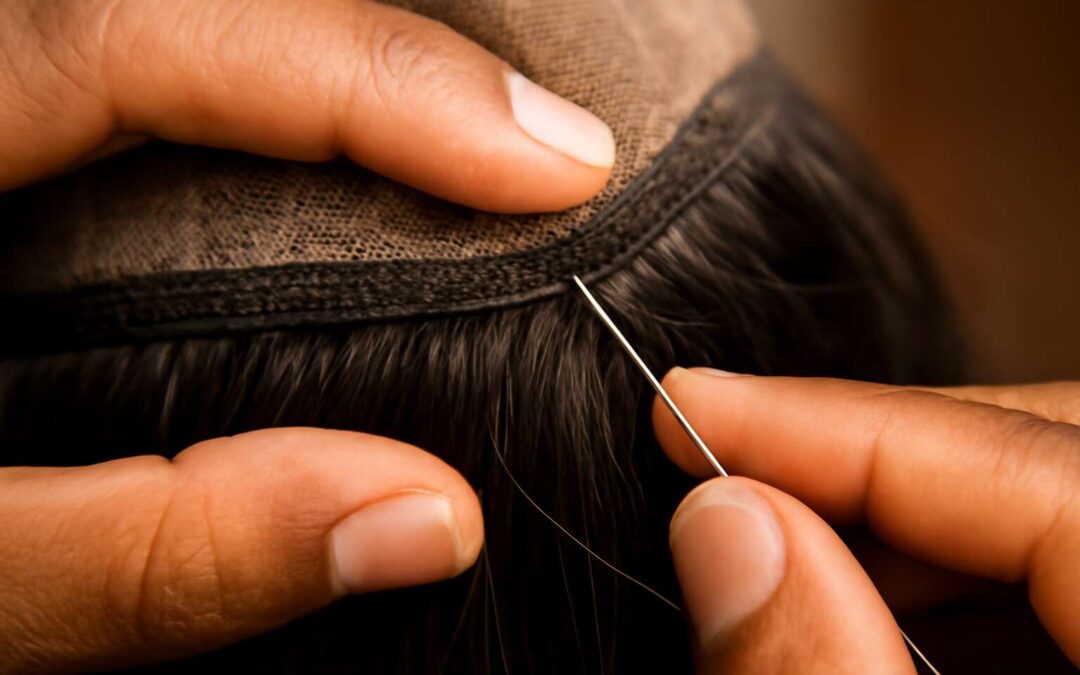
Brazilian wigs production overview
Raw materials and sourcing
Quality is our silent signature, a statement more enduring than any label. Wigs crafted from Brazilian hair tell a story of care, patience, and a craftsman’s habit of listening to the strand.
How are brazilian wigs made? The answer begins with origin, ethics, and careful curation that honours donors and traditions alike, then moves through grading for density, texture, and movement that mirrors real hair.
Key raw materials and sourcing criteria include:
- Virgin Brazilian human hair sourced from ethical donors
- Remy-grade hair with cuticles aligned in the same direction
- Traceable suppliers who publish origin and processing practices
In South Africa, studios and retailers chase longevity and natural fall, aligning with ethical standards so clients enjoy a durable, comfortable fit and a decision they feel good about.
Processing and preparation
In the workshop light, patience is a craft’s loudest argument. “Hair is a canvas,” a master wigmaker says, and the answer to how are brazilian wigs made is a choreography of care from cleansing to finish. Sorting by texture and density ensures consistency before any knotting begins.
Processing moves with method: gentle washing, acid-free conditioning, and cuticle-alignment checks to keep the hair flowing in one direction. Ventilation, knotting, and cap construction are then mapped to the wearer’s scalp, creating a natural fall and lasting comfort.

- Gentle cleansing and sanitising
- Knotting and ventilation on a ventilated wig block
- Cap construction with breathable lace and secure closures
- Texture mapping and final light styling
In South Africa, studios blend technical rigor with patient artistry, delivering a durable, lifelike finish that stands up to daily wear and heat!
Construction and styling methods
South Africa’s wig studios report that 82% of clients crave movement that truthfully mimics natural hair. The question lingering in every workshop: how are brazilian wigs made? It’s not sorcery—it’s architecture: a cap, lace, and a patient knotting dance that follows the scalp’s contours.
Construction hinges on three pillars: a breathable cap that sits light on the crown, a lace section for invisible front growth, and hand-knotted routes that give hair the freedom to flow. Texture mapping aligns each strand with gravity and density preferences, while secure closures keep the style locked in place during daily heat and hustle.
In practice, studios balance tradition and technology with subtle artistry:
- Hand-knotted cap assembly for natural movement
- Monofilament or lace fronts for seamless parting
- Texture mapping to mimic Brazilian grain
Quality and consumer guidance
Movement matters: 82% of South African clients crave movement that reads as natural hair. Beyond the gloss, Brazilian wigs hinge on design and patient craft. So how are brazilian wigs made — a design-driven process that starts with cap architecture and a quiet ballet of knots, letting the hair follow the scalp’s rhythm.
Quality and consumer guidance anchor the production overview. Shops highlight breathable caps, discreet fronts, and pigment-fast finishes. Each unit passes checks for symmetry, color consistency, and wear-resilience, ensuring South African buyers receive hair that’s as dependable as it is beautiful.
- Cap construction that balances comfort and ventilation
- Lace or mono fronts for seamless parting
- Knot density and texture mapping to mimic Brazilian grain
- Finish and color stability under daily heat
Transparency and aftercare support shape lasting trust in the SA market.